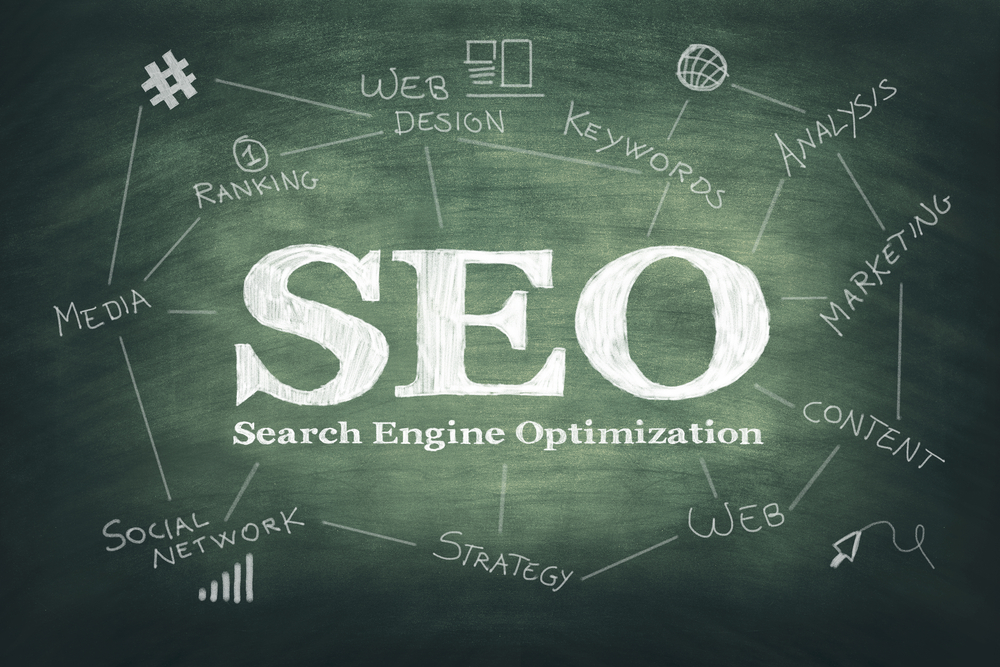
When it comes to improving your website's visibility and driving organic traffic, mastering SEO and link building is crucial. Search Engine Optimization (SEO) is the practice of optimizing your website to rank higher in search engine results, while link building involves acquiring high-quality backlinks to your site. In this article, we'll dive into some insider tips and proven tricks to help you take your SEM/SEO and link building efforts to the next level.
The Importance of SEO
As the internet continues to evolve, search engines like Google are becoming smarter at understanding user intent and delivering relevant results. This makes it essential for website owners to have a solid understanding of SEO (search engine optimization) techniques to ensure their site is visible to their target audience.
There are various aspects to consider when it comes to SEO, including on-page optimization, keyword research, technical SEO/SEM , and backlink building. Each component plays a vital role in improving your website's visibility and organic traffic.
Keyword Research
Keyword research is a fundamental step in SEO (or SEM) . It involves identifying the specific words or phrases users are searching for in search engines. By optimizing your website's content around relevant keywords, you increase the chances of ranking higher in search results for these terms.
Start by brainstorming a list of keywords related to your business or industry. Then, use keyword research tools like Google Keyword Planner or SEMrush to expand your list and find new keyword opportunities. Look for keywords with high search volume and low competition to target.
Once you have a list of target keywords, strategically incorporate them into your website's content, including page titles, headings, meta descriptions, and throughout the body text. However, be careful not to overstuff your content with keywords, as this can harm your rankings.
On-Page Optimization
On-page optimization refers to optimizing individual web pages to rank higher and earn relevant traffic. It involves optimizing elements on your website, such as meta tags, URLs, headings, and content, to make them more search engine friendly.
One critical aspect of on-page optimization is optimizing your page titles and meta descriptions. These are displayed in search engine results and greatly impact the click-through rate to your website. Make sure your titles and meta descriptions are compelling, concise, and contain your target keywords.
In addition to titles and meta descriptions, optimize your headings (H1, H2, H3, etc.) by incorporating relevant keywords. This not only helps search engines understand the structure of your content but also improves the readability for users.
Technical SEO
Technical SEO refers to optimizing the technical aspects of your website to improve its visibility in search engine results. It involves ensuring that search engines can crawl and index your site without any issues.
Here are a few key technical SEO practices to focus on:
- Website Speed: Optimize your site's speed by compressing images, minifying CSS and JavaScript files, and enabling browser caching. Mobile-Friendliness: With the majority of searches now done on mobile devices, it's crucial to have a mobile-friendly website. Use responsive design and optimize for mobile usability. XML Sitemap: Create and submit an XML sitemap to search engines to help them understand the structure and content of your site. Robots.txt: Use a robots.txt file to specify which pages and files on your site should be crawled and indexed by search engines.
Quality Content and Link Building
While on-page optimization and technical SEO are essential, building high-quality backlinks remains a crucial factor in ranking well in search engine results. Backlinks are links from other websites that point to your site.
Search engines view backlinks as votes of trust and authority. The more authoritative and relevant websites linking to your site, the more search engines will consider your content valuable and rank it higher.
Here are some effective link building strategies:
- Guest Blogging: Contribute high-quality content to authoritative websites in your industry and include a link back to your site. Broken Link Building: Find broken links on websites and offer alternative resources (including your website) to replace the broken links. Infographics: Create visually appealing infographics and share them with relevant websites. Include an embeddable code that links back to your site. Content Promotion: Share your content on social media, join relevant forums, and participate in discussions to increase visibility and attract potential backlinks.
Frequently Asked Questions
How long does it take for SEO efforts to show results?
The timeline for SEO results can vary depending on various factors, such as the competitiveness of your industry, the level of optimization on your site, and the quality of your backlinks. Generally, it can take a few weeks to several months to see noticeable improvements in rankings and organic traffic.
Is it necessary to hire an SEO agency?
While hiring an SEO agency can be beneficial, it's not always necessary. With the right knowledge and dedication, you can implement effective SEO strategies on your own. However, if you have a complex website or limited resources, hiring an agency can help you save time and ensure optimal results.
How often should I update my website's content?
Regularly updating your website's content can have a positive impact on your SEO efforts. Aim to publish fresh, relevant, and high-quality content on a consistent basis. Whether it's weekly, bi-weekly, or monthly, establish a schedule that is manageable for you and keeps your audience engaged.
Should I prioritize quantity or quality when building backlinks?
When it comes to link building, quality should always be prioritized over quantity. One high-quality backlink from an authoritative website can provide more value than multiple low-quality ones. Focus on acquiring backlinks from reputable sources within your industry.
Are there any shortcuts or quick-fixes for SEO?
No, there are no shortcuts or quick-fixes when it comes to SEO. It requires continuous effort, dedication, and a long-term strategy. Avoid black hat SEO techniques, such as buying links or keyword stuffing, as they can result in severe penalties and harm your website's reputation.
In conclusion, mastering SEO and link building is essential for improving your website's visibility and driving organic traffic. By conducting thorough keyword research, optimizing your on-page elements, taking care of technical SEO, and developing a robust link building strategy, you can significantly increase your chances of ranking higher in search engine results. Remember to stay updated with the latest SEO trends and best practices to stay ahead of the competition and achieve long-term success.
Other useful resources
- https://www.seoguru24.com/website-promotion/
- https://www.seoguru24.com/listing-category/web-directory/